
By: Sallie Hussey
Aging is a natural part of life and one that many of us are fortunate to experience, even when we do not always embrace it. But what does it really mean to age well?
For older adults, aging well is not defined by one measure alone. It can include strength and mobility, cognitive health, emotional well-being, and a sense of belonging. Because aging looks different for everyone, there is no single formula. Yet one lesson has become clear over time. Regardless of income, physical ability, or social status, community matters.
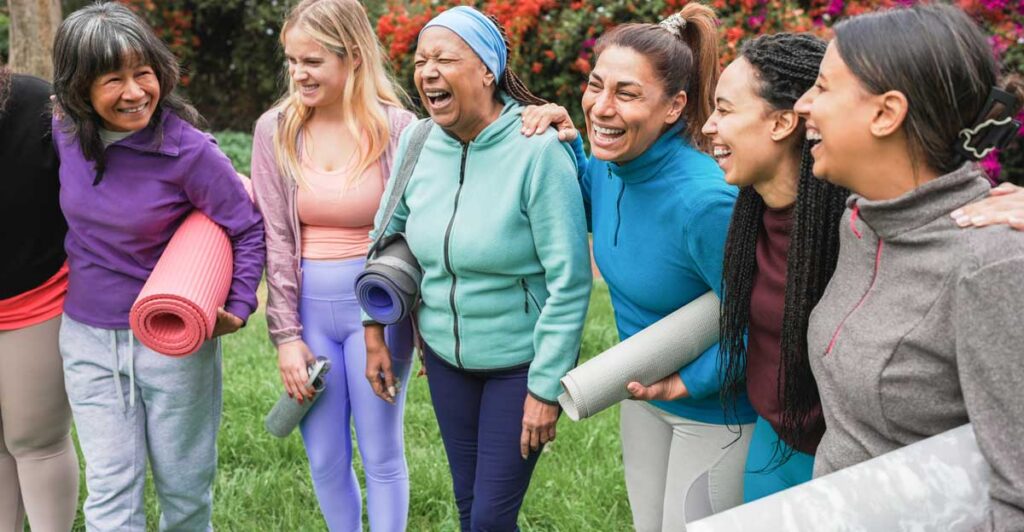
Physical and Creative Activities Benefit Older Adults
Most of us understand the importance of remaining physically active as we get older. We are encouraged to walk or exercise more and eat well. Research over the last decade points to the benefits of finding creative outlets as well. Painting, drawing, dancing, or picking up the musical instrument you played in high school gets the creative juices flowing. Such activities are not only fun to do, but they may also support cognitive function, stress reduction, and increased connection among older adults. Staying physically active, mentally engaged, and curious are essential to healthy aging.
Community Engagement Promotes Well-Being
Aging well involves more than caring for body and mind. It means staying engaged, connected, and in community with others. Humans are naturally social and benefit from spending time with others, learning from one another, and having people we can rely on. Whether it is spending time with neighbors, close friends, or family at a place of worship or a social club, connecting through community promotes healthy aging. For some older adults, maintaining connections comes easily. For others, it can be a tremendous challenge.
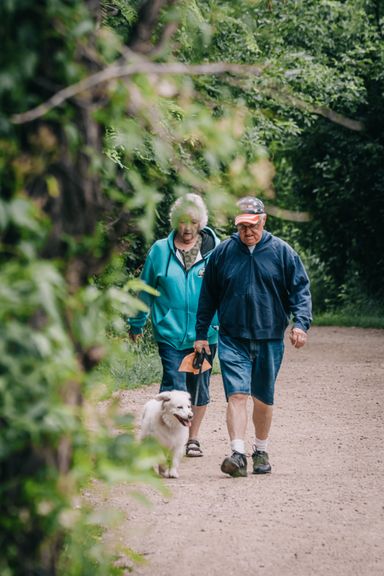
In Tennessee, approximately 27% of adults age 65 and older live alone, according to the Tennessee Department of Health, a figure that closely mirrors the national average. Certainly, not all seniors living alone feel socially isolated or experience loneliness. But many do, particularly those with limited family or social connections, transportation barriers, or health and mobility challenges.
The emotional toll or feeling of isolation can lead to loneliness, which, for many older adults, can take a toll on physical and emotional health. Even when the desire for connection exists, participating in community life can be difficult.
Steps Toward Building Community
The pandemic gave many of us a firsthand understanding of isolation and its effects. It also inspired new ways to connect, including virtual gatherings and regular check-ins that remain part of how we communicate today.
Community centers, senior centers, and specific gatherings for older adults provide valuable opportunities for engagement. Communities that have them are fortunate. As someone whose mother struggles to find structured activities in her small community, I understand how important these resources can be. I have also seen the challenges friends face in encouraging their parents to participate, even when programs are right around the corner. The first step is not always easy.
The Takeaway on Aging Well
Small connections can make a big difference, and community is vital for us all. Many families have witnessed how quickly an older family member’s health can decline after disconnecting from others. On the other hand, even a few hours of engagement or social interaction can have a positive impact.
So, if you are wondering how to support an older loved one, start with a simple invitation, a phone call, or an offer to help them find a place to connect. Even small gestures can do wonders to stave off loneliness. Sometimes a little encouragement is all it takes.
If you are an older adult seeking more community, consider joining a small group or signing up for an activity or program that interests you. It does not have to involve large events or big groups. The first step may not be easy, but it can open the door to meaningful connection.
Finding community is key to aging well. Support, kindness, and recognition contribute to emotional well-being and often show up in our physical health. Community and the connection it provides are essential to aging well.